
Period pain is a common experience for many women, but that does not mean you simply have to live with it every month. Understanding the cause of cramps can help you choose suitable period pain remedies and recognize when symptoms may need medical attention.
In this guide, we will explore 10 natural period pain remedies that may help reduce cramps and discomfort. We will also cover diet, supplements, herbal options, alternative therapies, PMS, and warning signs that should not be ignored.
Period Pain Kyun Hota Hai?
During a period, the uterus contracts to help shed its lining. These contractions are influenced by compounds called prostaglandins. Higher prostaglandin activity may be associated with stronger uterine contractions and more intense cramps, which is why Period Pain Remedies such as heat therapy, gentle exercise, and relaxation techniques may help manage menstrual discomfort.
Some factors that may contribute to more painful periods include:
- Heavy menstrual bleeding
- Younger age, particularly during the early years after periods begin
- Higher prostaglandin activity or sensitivity
- Underlying conditions such as endometriosis or fibroids
Period pain is widespread, so experiencing cramps does not necessarily mean that something is seriously wrong. However, pain that is severe, persistent, or interferes with everyday activities deserves medical evaluation.
10 Natural Period Pain Remedies
1. Heat Therapy
Heat is one of the simplest period pain remedies to try at home. Placing a heating pad, warm-water bottle, or warm towel over the lower abdomen or back may help relax muscles and reduce cramping.
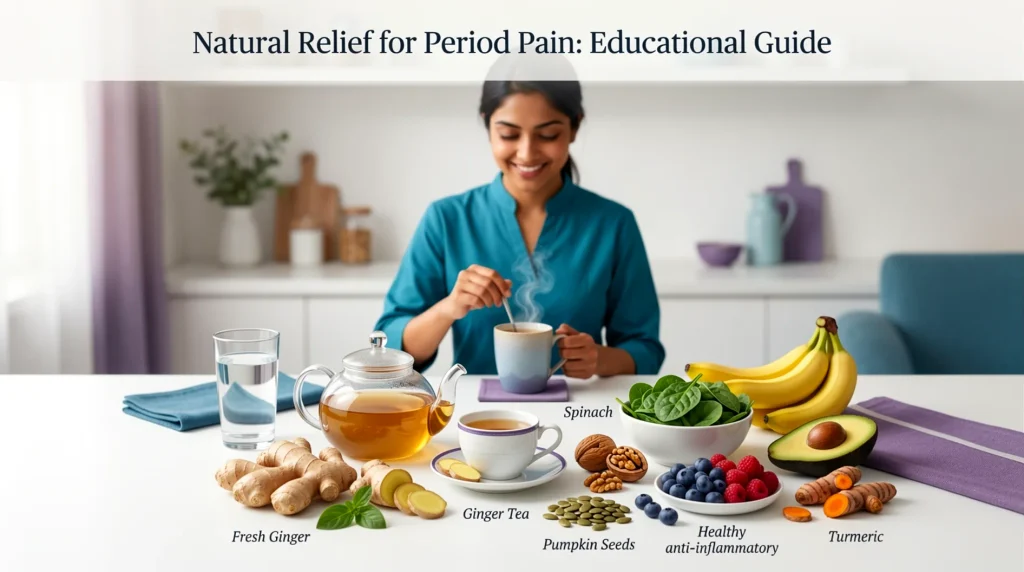
A warm bath can also provide soothing relief. If you make a homemade heating pad using uncooked rice and fabric, heat it carefully and avoid overheating it to prevent burns.
2. Ginger Tea
Ginger has anti-inflammatory properties and has been studied for its potential role in reducing menstrual discomfort. It may be a helpful addition to natural Period Pain Remedies, particularly for women looking for simple ways to manage mild cramps.
A warm ginger drink may be a comforting addition to your routine when cramps begin. However, individual responses can vary, so ginger should be considered one supportive Period Pain Remedy rather than a guaranteed treatment for menstrual pain.
3. Gentle Abdominal Massage
Gentle massage around the lower abdomen may help relax tense muscles and make cramps feel more manageable.
Some people also use diluted essential oils during massage. If you choose this approach, essential oils should be properly diluted with a suitable carrier oil and should not be applied directly to the skin in concentrated form.
4. Stay Hydrated
Drinking enough fluids throughout the day can support overall hydration and may help with bloating and general discomfort during menstruation.
Warm water or caffeine-free warm drinks may feel particularly soothing when you are experiencing cramps. Hydration alone may not eliminate period pain, but it can be part of a broader self-care routine.
5. Eat Magnesium-Rich Foods
Adding nutritious magnesium-containing foods to your diet may support normal muscle function. Options include:
- Bananas
- Spinach and other leafy greens
- Nuts
- Seeds
- Dark chocolate in moderation
A balanced diet is generally more useful than relying on one specific food as a quick solution for cramps.
6. Try Light Exercise
Gentle physical activity is another potentially useful option for period pain relief. A short walk, gentle stretching, or light yoga may help improve circulation and promote the release of endorphins.
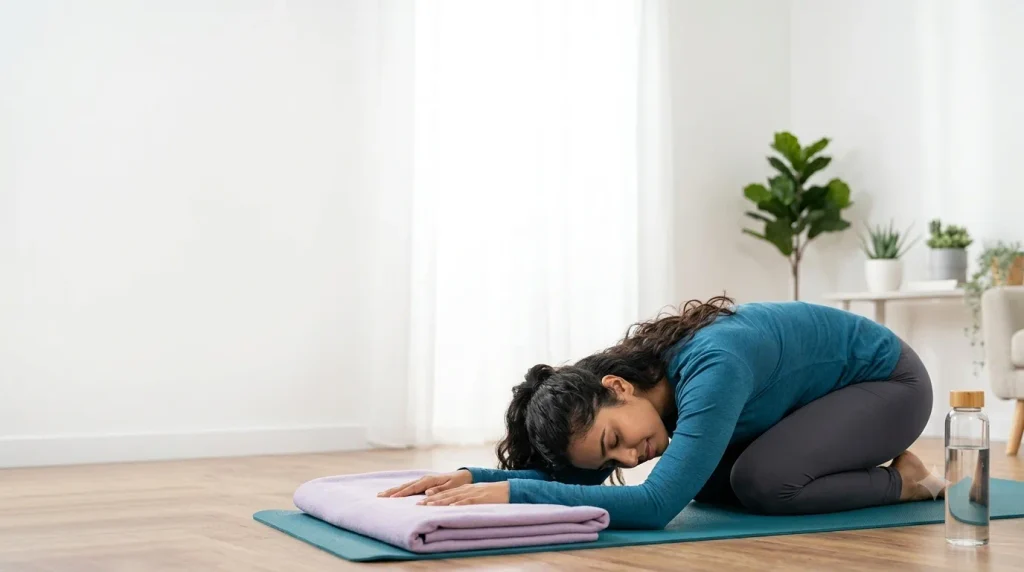
Some people find poses such as Cat-Cow, Child’s Pose, and Cobra Pose comfortable during menstruation.
If your pain is severe, avoid forcing yourself through strenuous exercise. Gentle movement, such as walking or light stretching, can be included among Period Pain Remedies when it feels comfortable for your body. Listen to your body and choose activities that do not worsen your menstrual cramps.
7. Chamomile or Peppermint Tea
Warm herbal teas can be a comforting part of a period self-care routine.
Chamomile tea may help with relaxation, while peppermint tea can be soothing for some people experiencing digestive discomfort or bloating. These herbal teas may be included among Period Pain Remedies as simple supportive options during menstruation, although their effects can vary from person to person.
These drinks should complement, rather than replace, appropriate medical care when symptoms are severe.
8. Choose Anti-Inflammatory Foods
A nutritious eating pattern may support overall health during menstruation. Consider including:
- Fresh fruits
- Vegetables
- Berries
- Tomatoes
- Flaxseeds
- Walnuts
- Other sources of omega-3 fatty acids
Turmeric, ginger, and garlic can also be included as part of a balanced diet.
Rather than focusing on one “magic” food, aim for a varied diet containing vegetables, fruits, whole grains, healthy fats, and adequate protein.
9. Manage Stress
Stress can affect how the body experiences pain. Deep breathing, meditation, gentle stretching, quiet rest, and other relaxation techniques may therefore be useful period pain remedies.
Even a few minutes of slow breathing or relaxation can help you feel calmer when cramps are uncomfortable.
Stress management is not a replacement for medical treatment, but it can be a helpful part of a broader approach to menstrual wellness.
10. Limit Excess Caffeine and Sugar
Some women notice that excessive caffeine, highly processed foods, salty snacks, or sugary foods make bloating or other menstrual symptoms feel worse. As part of Period Pain Remedies, paying attention to how your body responds to certain foods may help you identify dietary triggers and make choices that support greater comfort during your period.
If you notice a connection, consider reducing these foods around your period and choosing alternatives such as water, caffeine-free herbal tea, fruits, vegetables, and minimally processed meals.
Diet Chart: Kya Include Karein, Kya Avoid Karein
| Category | Include Karein | Avoid/Limit Karein |
|---|---|---|
| Fruits | Papaya, berries, pineapple | Highly processed fruit products |
| Grains | Brown rice, whole grains | Refined or highly processed grains |
| Nuts/Seeds | Walnuts, almonds, pumpkin seeds | Excessively salted varieties |
| Protein | Fish, lean chicken, legumes, leafy greens | Excess processed meat |
| Fats | Olive oil, flaxseed | Trans fats and excessive fried food |
| Drinks | Water, ginger tea, chamomile tea, peppermint tea | Excess caffeine, alcohol, sugary drinks |
| Seasonings | Turmeric, ginger, garlic | Excess salt |
Menstrual bleeding can contribute to iron loss, particularly when periods are heavy. Including iron-containing foods such as leafy greens, fish, legumes, and lean meats can help support an adequate dietary intake and may be considered as part of Period Pain Remedies that support overall menstrual health.
If you experience unusually heavy bleeding, persistent fatigue, weakness, or dizziness, talk to a healthcare professional rather than relying only on dietary changes.
Supplements for Period Pain
Some supplements have been studied for menstrual symptoms, but supplements are not appropriate for everyone and can interact with medications or medical conditions.
Commonly discussed options include:
- Vitamin D: Important for bone health and several body functions.
- Omega-3 fatty acids: Found naturally in foods such as fatty fish, flaxseeds, and walnuts.
- Vitamin E: An antioxidant that has been studied in relation to menstrual symptoms.
- Calcium: Supports normal muscle and nerve function.
- Magnesium: Supports normal muscle function.
Before adding supplements to your Period Pain Remedies routine, speak with a doctor or qualified healthcare professional, particularly if you take medicines, are pregnant, or have an existing medical condition.
Herbal Remedies for Period Pain
Several herbs and plant-based products have been investigated for menstrual discomfort, including:
- Cinnamon: Has been studied for its potential effect on menstrual pain and other period-related symptoms.
- Fennel: Some research has investigated fennel preparations for menstrual cramps.
- Dill: Has also been studied in relation to menstrual discomfort.
- French maritime pine bark extract: Research has explored its potential benefits for menstrual pain.
Evidence varies between products, doses, and studies. “Natural” does not automatically mean safe for everyone.
Before using concentrated herbal products or supplements as part of your Period Pain Remedies, discuss them with a healthcare professional, especially if you take prescription medicines, as some supplements may interact with medications.
When to Consider OTC Medication
When natural period pain remedies do not provide enough relief, over-the-counter medicines such as ibuprofen or naproxen may help some people.
These medicines belong to a group called NSAIDs and work partly by reducing prostaglandin production. They are commonly used among medical Period Pain Remedies and are generally more effective when taken around the beginning of menstrual pain rather than waiting until symptoms become very severe. Always follow the recommended dosage and consult a healthcare professional if you are unsure whether an NSAID is suitable for you.
However, NSAIDs are not suitable for everyone. People with certain stomach, kidney, heart, bleeding, pregnancy, or medication-related concerns should ask a healthcare professional before using them.
Hormonal contraception may also reduce menstrual pain for some women. This should be discussed with a healthcare professional to determine whether it is an appropriate option.
Alternative Therapies for Period Pain
Some women explore professional therapies alongside other approaches.
Massage Therapy
Massage may help reduce muscle tension and promote relaxation. Abdominal massage may be particularly useful for some people experiencing menstrual discomfort.
Acupuncture and Acupressure
Some women report relief from acupuncture or acupressure, which may be considered complementary Period Pain Remedies. Evidence for their effectiveness varies, and these approaches should be performed by appropriately trained professionals.
These therapies may be considered when simple home measures are not providing enough relief.
When Is Period Pain Not Normal?
Mild-to-moderate cramps can be common during menstruation. However, severe or progressively worsening pain should not simply be dismissed as a normal part of having periods. Possible underlying causes of significant menstrual pain can include:
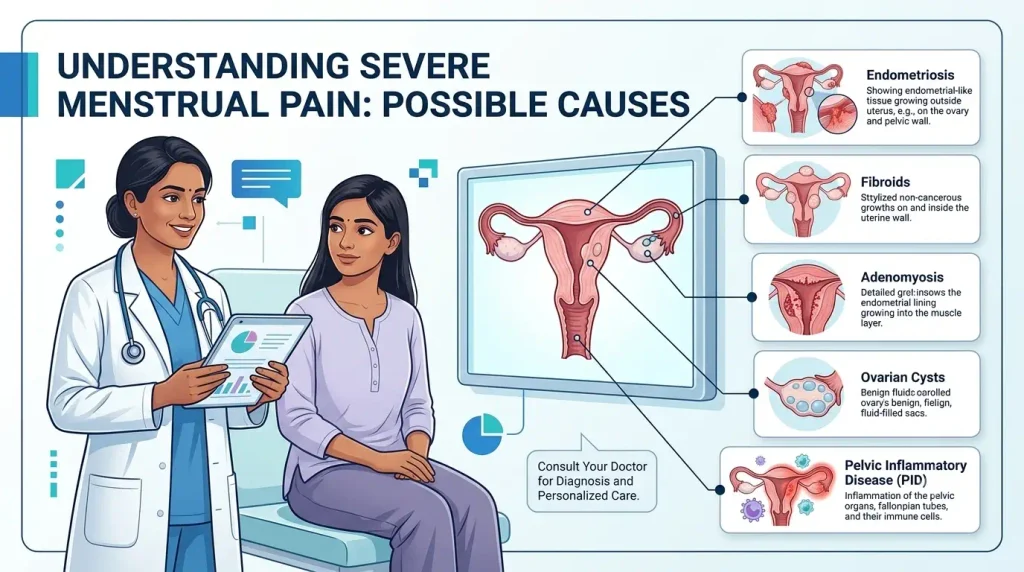
Endometriosis
Endometriosis occurs when tissue similar to the uterine lining grows outside the uterus. It can cause painful periods, pelvic pain, and other symptoms.
Uterine Fibroids
Fibroids are non-cancerous growths in or around the uterus. Depending on their size and location, they can contribute to heavy bleeding and painful periods. If fibroids are contributing to menstrual discomfort, addressing the underlying condition may be an important part of effective Period Pain Remedies.
Ovarian Cysts and PCOS
Ovarian cysts can sometimes cause pelvic discomfort. PCOS is a hormonal condition commonly associated with irregular periods and other symptoms, although severe period pain is not necessarily caused by PCOS itself.
Adenomyosis
Adenomyosis occurs when tissue similar to the uterine lining grows into the muscular wall of the uterus. It may cause painful periods and heavy menstrual bleeding.
Pelvic Inflammatory Disease
Pelvic inflammatory disease (PID) is an infection of the female reproductive organs that can cause pelvic pain and other symptoms. It often requires medical treatment.
PMDD
Premenstrual dysphoric disorder (PMDD) is a severe form of premenstrual disorder that can cause significant emotional and physical symptoms before menstruation. When PMDD contributes to menstrual discomfort, appropriate medical evaluation and treatment may be an important part of managing Period Pain Remedies and improving overall well-being.
Having one of these conditions does not mean that treatment is impossible. Early evaluation can help identify the underlying cause and appropriate treatment options.
PMS and Period Pain: Is There a Connection?
Premenstrual syndrome (PMS) can cause symptoms such as bloating, fatigue, mood changes, and abdominal discomfort before a period. Some lifestyle approaches used for period pain relief, including regular physical activity, balanced nutrition, adequate hydration, sleep, and stress management, may also support overall PMS management.
Keeping a symptom diary for several menstrual cycles can help you identify patterns and give your doctor useful information if symptoms become difficult to manage.
When Should You See a Doctor for Period Pain?
Consider speaking with a healthcare professional if you experience:
- Pain that consistently interferes with work, school, sleep, or daily activities
- Menstrual pain or bleeding that becomes progressively worse
- New or unusually severe cramps
- Pain that does not improve with appropriate OTC medication
- Pelvic pain that occurs outside your period
- Very heavy or unusual menstrual bleeding
- Pain associated with fever, fainting, severe weakness, or other concerning symptoms
Severe or sudden pelvic pain may require urgent medical assessment.
FAQs About Period Pain Remedies
Q1. What is the fastest way to get period pain relief?
Heat therapy can provide soothing relief for many people and is one of the commonly used Period Pain Remedies. OTC medicines such as NSAIDs may also provide effective relief for suitable individuals. Natural options such as gentle exercise, hydration, and ginger tea may be helpful but can work differently for each person.
Q2. Is exercise good when you have period cramps?
Yes, gentle exercise such as walking, stretching, or yoga may help some women manage cramps. If your pain is severe, avoid strenuous activity and listen to your body.
Q3. Can diet really affect period pain?
Diet may influence overall menstrual wellbeing, although individual responses vary. A balanced diet rich in fruits, vegetables, whole grains, healthy fats, and adequate protein can be a supportive part of Period Pain Remedies and is generally a good approach for maintaining overall health.
Q4. Is severe period pain every month normal?
Severe pain that repeatedly interferes with everyday life should not simply be considered normal. It may sometimes indicate an underlying condition such as endometriosis, fibroids, adenomyosis, or another pelvic problem.
Q5. Can birth control permanently cure period pain?
Hormonal birth control can significantly reduce menstrual pain for some women while it is being used and may be considered one of the medical Period Pain Remedies. However, it does not necessarily treat or cure every underlying cause of pelvic pain. Discuss the potential benefits, risks, and suitability with a healthcare professional.
Q6. How long should I try home remedies before seeing a doctor?
There is no single waiting period that is appropriate for everyone. If pain is severe, worsening, disrupting daily life, or associated with unusual bleeding or other concerning symptoms, seek medical advice rather than waiting through several cycles.
Q7. Can massage reduce period cramps?
Gentle abdominal massage may help some women relax and manage menstrual discomfort. Stop if massage increases pain, and seek medical advice if the pain is severe or unusual.
Q8. Should I take supplements every day or only during my period?
It depends on the specific supplement, your diet, your health, and the reason for taking it. Supplements may be considered as part of Period Pain Remedies in some situations, but do not assume that daily supplementation is necessary. Ask a healthcare professional about the appropriate dose and duration.
Q9. Can I use several period pain remedies together?
Some approaches can be combined safely, such as using a heating pad while drinking a caffeine-free warm beverage or doing gentle stretching. Introduce changes sensibly and stop anything that causes discomfort.
Conclusion
There are several period pain remedies that may help make menstrual cramps more manageable, including heat therapy, gentle exercise, hydration, balanced nutrition, relaxation techniques, and selected complementary approaches.
The most important point is that every woman can experience periods differently. A Period Pain Remedy that works well for one person may not provide the same results for another, so it is important to find an approach that suits your individual symptoms and needs.
Mild cramps may often be managed with self-care and Period Pain Remedies, but severe, worsening, or disruptive pain deserves medical attention. If period pain is interfering with your daily life or occurs alongside unusual bleeding or other concerning symptoms, consult a qualified healthcare professional for proper evaluation.
Disclaimer: This article is intended for general educational information only and should not be considered a substitute for professional medical advice. If you have persistent, severe, or unusual symptoms, consult a qualified healthcare professional.
One Response