
Vaginal health is a topic that is not openly discussed enough, yet understanding it is important for every woman. We regularly talk about skincare, hair care, and nutrition, but hesitation around intimate health can sometimes cause important symptoms and healthy habits to be overlooked.
The first thing to understand is that vaginal health is not simply about cleanliness. It involves the natural vaginal microbiome, pH balance, hormones, menstrual health, sexual health, and everyday hygiene habits.
The good news is that maintaining vaginal health does not require a complicated routine or expensive intimate products. A few simple daily habits can help keep the vaginal area comfortable and reduce the risk of irritation and certain infections.
In this article, we will discuss 10 practical vaginal health tips, along with common hygiene mistakes, warning signs of infection, and when you should consult a healthcare professional.
Understanding Vaginal Health and Natural pH Balance
The vagina naturally contains an ecosystem of microorganisms known as the vaginal microbiome. During the reproductive years, Lactobacillus bacteria are commonly present and produce lactic acid, which helps maintain a mildly acidic vaginal environment.
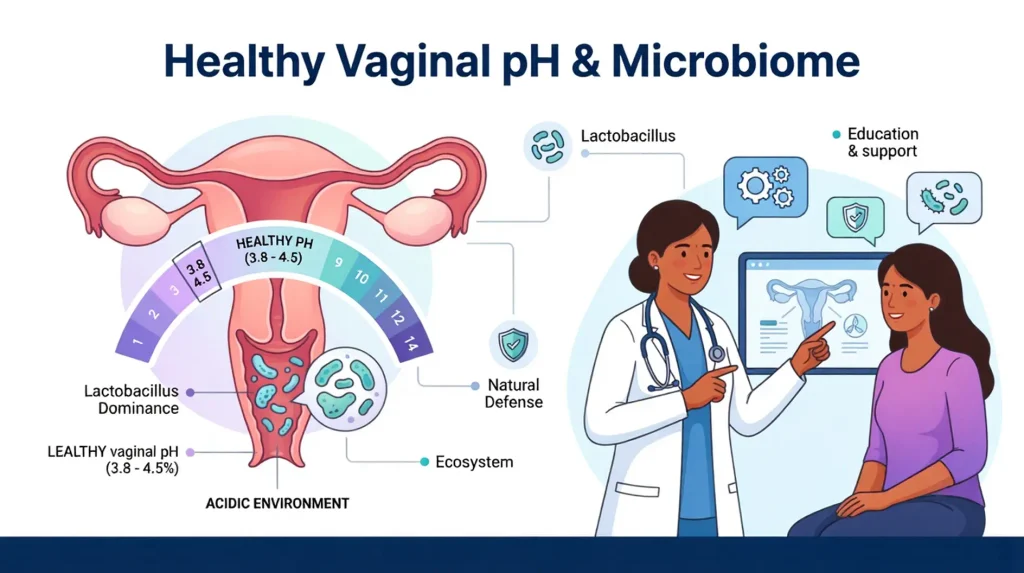
Vaginal pH is generally around 3.8 to 4.5, although it can change with the menstrual cycle, pregnancy, menopause, and other factors.
This natural environment plays an important role in controlling the excessive growth of potentially harmful microorganisms.
What Can Disturb Vaginal pH?
Several factors can affect the natural vaginal balance, including:
- Douching or internal vaginal cleansing
- Fragranced soaps, sprays, and wipes
- Certain antibiotics
- Hormonal changes
- Menstrual blood
- Semen, which can temporarily change vaginal pH
- Certain vaginal infections
Therefore, effective vaginal health tips should focus on protecting the vagina’s natural environment rather than repeatedly trying to clean it.
10 Simple Vaginal Health Tips Every Woman Should Follow
1. Do Not Clean Inside the Vagina
One of the most important vaginal hygiene tips is understanding that the vagina does not need to be cleaned internally. The vagina is naturally self-cleaning, and normal vaginal discharge is part of this process. Maintaining good vaginal health means supporting this natural balance rather than using harsh products or unnecessary internal cleansing.
What you should do:
- Gently clean the vulva, which is the external genital area.
- Plain lukewarm water is generally sufficient.
- If you prefer to use soap, choose a mild, fragrance-free product for the external skin.
- Gently pat the area dry after washing.
What to avoid:
- Putting soap or wash inside the vagina
- Internal cleansing products
- Harsh scrubbing
- Perfumed intimate products
Vaginal health does not mean making the vagina sterile. A balanced natural bacterial environment is a normal and important part of healthy vaginal function.
2. Avoid Douching
Douching means washing inside the vagina with water or another liquid solution. It is generally unnecessary and may disturb the natural vaginal microbiome and pH balance, which can affect vaginal health and comfort.
Douching should not be considered a treatment for vaginal odor. If you notice unusual discharge, odor, itching, or irritation, identifying the underlying cause is more important.
A better approach: Instead of masking an unusual odor, consult a healthcare professional if the symptom persists or is accompanied by other changes.
Avoiding regular douching is one of the most important vaginal health tips for protecting the natural vaginal environment.
3. Wipe From Front to Back After Using the Toilet
After using the toilet, wipe from front to back rather than from back to front. The main purpose of this habit is to reduce the possibility of transferring bacteria from the anal area toward the urethra. Bacteria such as E. coli are a common cause of urinary tract infections.
Therefore:
- Wipe from front to back.
- Wash your hands properly after using the toilet.
- Avoid excessive rubbing that may irritate sensitive skin.
This small habit can be a useful part of your everyday urinary and intimate hygiene routine.
4. Choose Breathable Underwear
The main purpose of underwear should be comfort and breathability. Cotton and other breathable fabrics can be comfortable options that help reduce moisture and heat. Very tight clothing may increase friction, sweating, and irritation in some women.
Consider:
- Comfortable, breathable underwear
- Changing into fresh clothes after workouts
- Avoiding excessively tight bottoms for prolonged periods
- Changing sweaty clothes promptly
Rather than viewing underwear solely as a way to prevent yeast infections, it is better to consider comfort, moisture control, and skin health.
5. Avoid Staying in Wet or Sweaty Clothes for Too Long
After swimming, exercising, or visiting the gym, avoid staying in a wet swimsuit or sweaty workout clothes for unnecessarily long periods. Moisture and friction can irritate sensitive skin. Therefore:
- Change clothes after exercising.
- Remove wet swimwear after swimming.
- Gently dry the area.
- Avoid prolonged use of very tight synthetic clothing if it causes discomfort.
This is one of the practical vaginal health tips that may be particularly useful for women who exercise regularly.
6. Change Menstrual Products Regularly
Period hygiene is also an important part of overall intimate health. Use and change pads, tampons, and menstrual cups according to the manufacturer’s instructions.
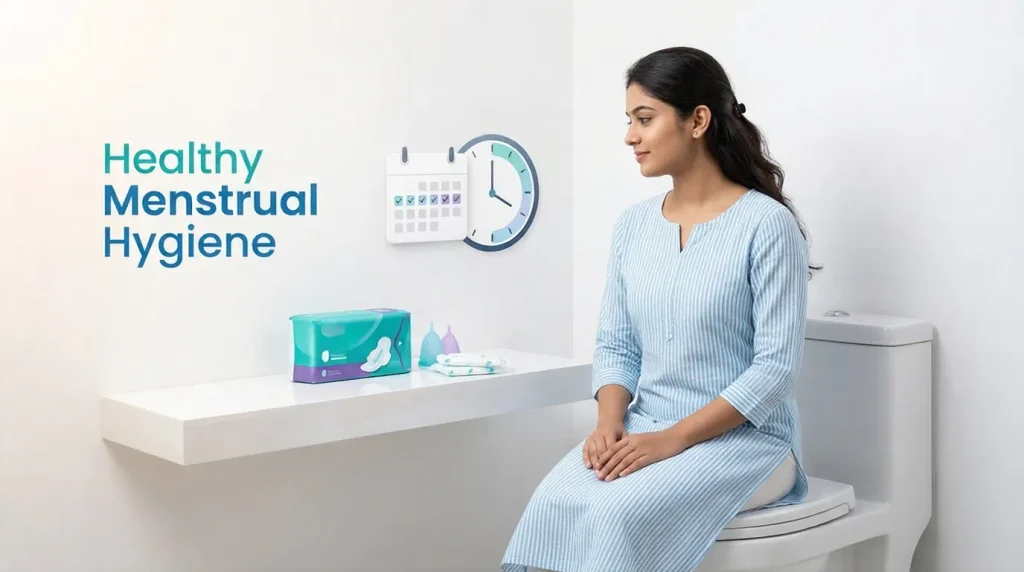
Important points include:
- Change pads according to your menstrual flow.
- Change tampons within the recommended time limit and avoid wearing them for longer than instructed.
- Clean and sterilize menstrual cups according to the product instructions.
- Unscented menstrual products may be preferable if fragrances cause skin irritation.
Prolonged tampon use is associated with a risk of toxic shock syndrome (TSS), although TSS is rare. Always follow the maximum recommended wear time provided on the product packaging.
7. Be Careful With Scented Intimate Products
Feminine sprays, perfumed wipes, scented soaps, powders, and other fragranced intimate products can irritate sensitive vulvar skin. For this reason, unnecessary intimate products do not need to be part of your regular hygiene routine.
Consider:
- Plain water for external cleaning
- Mild, fragrance-free products when needed
- Unscented menstrual products if fragrances cause irritation
- Fragrance-free lubricants if you have sensitive skin
If you need a lubricant, consider both body compatibility and condom compatibility. Water-based lubricants are commonly used, but not every product is suitable for every woman.
Important: Instead of masking persistent odor with perfume or sprays, it is better to have the underlying cause evaluated.
8. Maintain a Balanced Diet and Stay Hydrated
Diet is important for overall health, including reproductive and urinary health. A balanced diet can also support vaginal health and general well-being. However, no single food should be considered a guaranteed treatment for a vaginal infection. Include a variety of nutritious foods such as:
- Fruits and vegetables
- Whole grains
- Adequate protein
- Nuts and seeds
- Yogurt or other nutritious fermented foods, if tolerated
- Adequate fluids
Probiotic foods can be part of a healthy diet, but probiotics should not be considered a guaranteed treatment for bacterial vaginosis or yeast infections.
Similarly, completely eliminating sugar does not guarantee that yeast infections will be prevented. Diabetes or poorly controlled blood sugar can affect the risk of recurrent yeast infections, but occasional sugary foods should not be considered a direct cause of vaginal infections.
Adequate hydration is particularly useful for urinary health. Water needs vary depending on factors such as individual health, weather, physical activity, and other circumstances, so a fixed “8–10 glasses” rule is not necessary for every woman.
9. Practice Safe Sex
Sexual health and vaginal health can be closely connected. Barrier methods such as condoms can help reduce the risk of sexually transmitted infections (STIs).
Useful habits include:
- Using appropriate barrier protection with new or non-monogamous sexual partners
- Considering STI testing based on your sexual health risk and history
- Using adequate lubrication during sex
- Not ignoring pain, sores, unusual discharge, or bleeding
Urinating after sex is commonly recommended for some women in the context of urinary symptoms, although it should not be considered a substitute for STI prevention.
If you experience recurrent urinary symptoms or infections, speak with a healthcare professional for an individual evaluation.
10. Do Not Ignore Regular Gynecological Care
Regular healthcare visits can be important for vaginal, cervical, and reproductive health. However, there is no universal rule that every woman needs exactly the same examination every one or two years. Screening recommendations can vary depending on age, medical history, symptoms, pregnancy status, and local guidelines.
Discuss the following with your healthcare professional:
- When cervical cancer screening is due
- Whether STI testing is appropriate
- Irregular periods
- Recurrent infections
- Unusual discharge or odor
- Pelvic pain
- Pain during sex
Along with routine screening, discussing new or unusual symptoms promptly is also important.
Common Vaginal Hygiene Mistakes to Avoid
Some everyday habits may increase the risk of vaginal or vulvar irritation. Avoiding these mistakes is an important part of practical vaginal health tips.
| Common Mistake | Possible Concern |
|---|---|
| Douching | May disturb the natural microbiome and pH |
| Harsh soaps | Dryness and irritation |
| Scented intimate products | Irritation or allergic reactions |
| Very tight clothing | Heat, moisture, and friction |
| Staying in wet clothes | Skin irritation and discomfort |
| Wearing menstrual products for too long | Irritation and, with tampons, TSS risk |
| Self-diagnosing symptoms | May delay the correct treatment |
| Ignoring STI symptoms | Infection may remain untreated |
| Taking unnecessary antibiotics | Side effects and microbiome changes |
| Ignoring recommended screening | Important conditions may be detected later |
Vaginal Infection Warning Signs
Normal vaginal discharge can vary from woman to woman. Its amount and consistency can also change during different stages of the menstrual cycle.
However, some changes deserve medical evaluation.

Possible Signs of Bacterial Vaginosis
Common symptoms of bacterial vaginosis (BV) may include:
- Thin white or gray discharge
- Fishy odor, especially after sex
- Vaginal irritation
Some women with BV may have no noticeable symptoms.
Possible Signs of a Yeast Infection
A yeast infection may commonly cause:
- Intense itching
- Burning or irritation
- Vulvar redness or swelling
- Thick white discharge
However, self-diagnosing an infection based only on discharge is not always reliable because similar symptoms can occur with different conditions.
Possible Signs of an STI
Possible STI symptoms can include:
- Unusual vaginal discharge
- Sores or blisters
- Burning while urinating
- Pelvic pain
- Pain during sex
- Bleeding between periods or after sex
Some STIs can occur without noticeable symptoms. Therefore, appropriate testing can be important when there is a potential risk.
When Should You See a Doctor?
If vaginal symptoms are mild and temporary, avoiding unnecessary products and maintaining gentle hygiene may be helpful for supporting vaginal health. However, the following symptoms should not be ignored:
- Persistent or strong unusual odor
- New or unusual discharge
- Severe itching or burning
- Vaginal sores or blisters
- Pelvic pain
- Pain during sex
- Burning while urinating
- Bleeding between periods
- Bleeding after sex
- Recurrent vaginal or urinary infections
- Symptoms that continue to return after treatment
Instead of relying on self-diagnosis, consult a qualified gynecologist or healthcare professional, especially if symptoms are persistent, severe, or recurrent.
FAQs About Vaginal Health
Q1. Is vaginal discharge normal?
Yes. Clear, white, or milky discharge can be normal for many women. Its amount and consistency can change during different stages of the menstrual cycle. It becomes more concerning when discharge is accompanied by unusual odor, itching, burning, pain, an unusual color, or other symptoms.
Q2. Is feminine wash necessary?
Generally, feminine wash is not necessary inside the vagina. The vagina is naturally self-cleaning. The external vulvar area can usually be gently cleaned with plain lukewarm water. If you prefer to use soap, choose a mild, fragrance-free option.
Q3. Can tight jeans affect vaginal health?
Very tight clothing can increase heat, sweating, friction, and irritation in some women. If tight clothing causes discomfort or irritation, choose looser and more breathable clothing.
Q4. Why does vaginal discharge change after a period?
Hormonal fluctuations can naturally change vaginal discharge during different phases of the menstrual cycle. Around ovulation, discharge may become clearer, wetter, and more stretchy. If the change is accompanied by strong odor, itching, pain, or unusual color, seek medical advice.
Q5. Can probiotics improve vaginal health?
Research has examined probiotics and specific Lactobacillus strains in relation to vaginal health, but the evidence varies depending on the condition and probiotic strain. Probiotic supplements should not be considered a replacement for appropriate treatment of a vaginal infection. If symptoms are recurrent, consult a healthcare professional.
Q6. Can exercise benefit vaginal health?
Regular physical activity can support overall health, circulation, stress management, and metabolic health. Changing out of sweaty clothes after exercise and maintaining comfortable hygiene can also be helpful.
Q7. Should you clean inside the vagina every day?
No. Internal cleaning or douching can disturb the natural vaginal microbiome. The vagina is naturally self-cleaning. For routine hygiene, gently cleaning the external vulva is generally sufficient.
Conclusion
Healthy intimate hygiene does not mean excessive cleaning. Effective vaginal health tips focus on protecting the natural vaginal environment, avoiding unnecessary irritation, practicing safer sex, and addressing unusual symptoms promptly.
Remember:
- The vagina is naturally self-cleaning.
- Avoid douching and unnecessary internal cleansing.
- Gently clean the external vulva.
- Choose breathable and comfortable clothing.
- Change wet or sweaty clothes promptly.
- Change menstrual products according to their instructions.
- Avoid scented intimate products if they cause irritation.
- Maintain a balanced diet and adequate hydration.
- Use appropriate protection to reduce STI risk.
- Do not ignore unusual symptoms.
Prioritizing vaginal health is an important part of self-care. If you notice unusual odor, discharge, itching, pain, sores, unusual bleeding, or recurrent infections, seek proper evaluation from a qualified healthcare professional instead of relying on self-treatment.
Disclaimer: The information provided in this article is for general educational purposes only. It is not a substitute for diagnosis, medical advice, or treatment. For any persistent, severe, or recurrent health concern, consult a qualified gynecologist or healthcare professional.